


 : 9910161695
1. What is an electronic music production course?
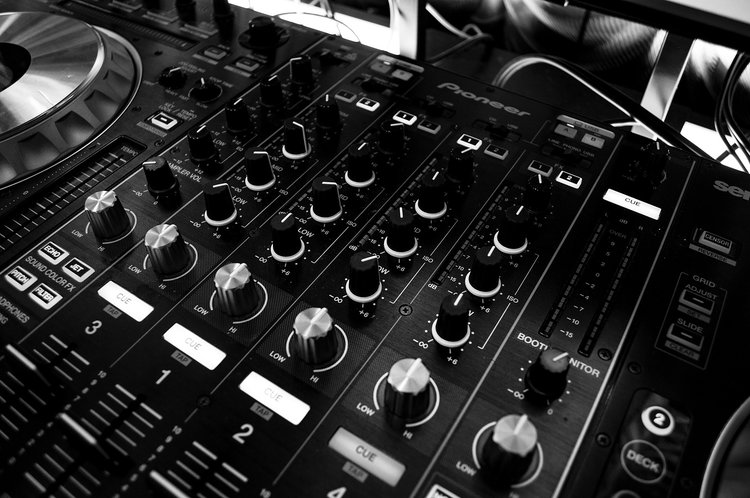
An electronic music production course teaches students how to create, mix, and produce electronic music using software and hardware tools. Topics include synthesizers, drum machines, MIDI sequencing, and digital audio workstations (DAWs).
2. Who should take an electronic music production class?
These classes are ideal for beginners, hobbyists, and aspiring music producers. Students learn music theory, sound design, mixing, and mastering to create professional electronic tracks.
3. What do you learn in an electronic music production school?
Students learn DAW operation, beat making, sound synthesis, mixing techniques, and music arrangement. Courses often include hands-on projects and exposure to industry-standard production tools.
4. What software is used in electronic music production courses?
Courses typically teach popular DAWs such as Ableton Live, FL Studio, Logic Pro, and Pro Tools. Students also learn plugins, virtual instruments, and MIDI controllers for professional music production.
5. Can I learn electronic music production online?
Yes, many institutes and platforms offer online electronic music production courses. Online courses provide video tutorials, assignments, and feedback, allowing students to learn at their own pace from home.
6. What is the career scope after an electronic music production course?
Graduates can work as music producers, sound designers, remix artists, DJs, or audio engineers. Careers span the music, film, TV, advertising, and gaming industries.
7. How long does an electronic music production course last?
Course duration varies from a few weeks to several months, depending on the program. Advanced diploma or degree programs may take one to two years to complete.
8. What is taught in a beginner electronic music production class?
Beginner classes cover music theory basics, DAW introduction, beat-making, simple synth programming, and basic mixing and mastering techniques.
9. What is sound design in electronic music production?
Sound design involves creating unique sounds using synthesizers, samplers, and effects. Students learn to craft sounds for various genres, from EDM to hip-hop, within their DAWs.
10. Are electronic music production workshops useful?
Yes, workshops provide practical, hands-on training with real-time feedback. They focus on producing tracks, mixing, mastering, and collaborating with other musicians.
11. What is the difference between a music production course and electronic music production course?
While music production courses cover broader recording and production skills, electronic music production courses specialize in synthesizers, digital composition, and electronic genres like EDM, techno, and house.
12. Can I learn remixing in electronic music production courses?
Yes, courses often teach remixing techniques, including sample editing, tempo adjustments, effects, and creative reinterpretation of existing tracks.
13. What is mastering in electronic music production?
Mastering is the final step of music production where a track is polished for volume, clarity, and consistency. Students learn EQ, compression, limiting, and final audio formatting for release.
14. What equipment do I need for an electronic music production course?
Students typically need a laptop, DAW software, MIDI keyboard, headphones, and audio interface. Some courses may provide studio access for advanced hardware training.
15. Can electronic music production courses help me become a DJ?
Yes, learning music production enhances DJ skills by providing knowledge of track structure, beat-making, and live performance mixing techniques.
16. What genres are taught in electronic music production classes?
Courses often cover EDM, techno, house, hip-hop, trap, dubstep, and ambient. Students learn genre-specific production techniques and sound design.
17. Are there certification programs for electronic music production?
Yes, many institutes offer certification or diploma programs that validate your skills and enhance employability in music production, audio engineering, and performance industries.
18. What is a digital audio workstation (DAW)?
A DAW is software used for recording, editing, arranging, and mixing music. Popular DAWs include Ableton Live, FL Studio, Logic Pro, and Cubase, and they are central to electronic music production.
19. How do electronic music production courses help in professional audio careers?
These courses develop technical and creative skills required for music production, film scoring, video game audio, and live sound engineering. Graduates gain a portfolio for freelance and studio work.
20. Can I learn electronic music production for free online?
Yes, some platforms offer free tutorials, online courses, and sample projects. However, structured paid courses provide in-depth learning, mentorship, and industry-standard project experience.
 Seats : 10.Fee | Rs.1,50,000/-
  Duration: BA / MA
 Intreview : Every Alterante Week
 Helpline: 9910161695
 Last Date to Apply: 31st July 2026.Bombay