
SOUND RECORDING & AUDIO ENGINEERING COURSE .
We are accepting applications for the next academic session .
1. No of Seats: 10 seats to be filled on an interview basis for Indian students. We have 2 seats for International students and 2 seats for management quota.
2. Eligibility Criteria: Minimum qualification is 10+2 -for a "Diploma in sound engineering". Graduation in any discipline is required for a "PG Diploma” certificate. Students who are appearing for their 12th/final year exam of graduation can also apply. Course content and classroom remain the same for the main course. However, the difference will be in terms of additional classes on soft skills, which will be offered to the 10+2 pass-out students. If you are 10+2, you will get a ‘Diploma in Sound Recording & Audio Engineering" and if you are a Graduate, you will get a ‘PG Diploma in Sound Recording & Audio Engineering. live sound engineering is part of the course. Sound design course is not offered as seprate course, but there are modules on it during the course.
3. Selection Criteria for Course: Selection is done on the basis of an interview, which will happen on campus only. Results are declared within 7 days after the interview. Selected candidates have to submit the seat confirmation fee within 10 days from the date of declaration of the result. The students on the waiting list will be declared in the last week before the session starts.
4. How to Apply: In order to study photography in CRAFT,You need to apply online from the website given below-
https://www.craftfilmschool.com/applyonline.
The amount of Rs .1,000/- as an application fee has to be paid by Debit Card/Credit Card / UPI / Net banking. If you are coming personally to CRAFT, you can also pay in cash.
5. Last Date to Apply for Course :
We are accepting applications for the interviews to be conducted every altearnate week .Kindly note that 33% seats are filled in the in the 2 interviews held every month.Interviews are conducted in May, June, July every year.
We have allocated 10 Points for overall performance. Sincerity score: 2 points | Academic Record: 2 points | Portfolio: 2 points | Interview Performance: 4 points. The candidate needs to score a minimum of 6 points to qualify for admission in CRAFT. Hence if you are making an inquiry today, you need to apply within 3 Days to gain a Sincerity score of 2 points- which will qualify you as a “Sincere Candidate”.
6. How to prepare for an interview: The main intention of the interview board is to see whether the student is really passionate about the field of study he/she has applied for.
7. Hostel Facilities: We don’t have a hostel, but our student coordinators will help in finding economical accommodation within walking distance from the institute. It saves traveling time and cost- an average of Rs 2500/-per month!
Generally, rooms cost between Rs. 6000/- to 7000/- per month which, on a sharing basis, costs around Rs. 3,000/- Rs 3500/-per month. A food joint is a nearby CRAFT where most of the students have their lunch and dinner.
PG accommodation for female candidates in safe areas costs around Rs. 10,000/- per month including food.
8.Course Fee: For our sound engineer courses ,the total fee in lump sum mode is Rs.150,000/- In installments, it becomes Rs.1,55,000/.
Students who opt for the Installment method need to deposit the Post-dated cheque ( PDC ) of the below dates at the time of joining.
1) 50% of the total fee 30 days before the academic session starts.
2) 25% as 2nd installment to be paid after 1 month of starting the Academic session.
3) 25% as 3rd installment to be paid after 2 months of starting the Academic session.
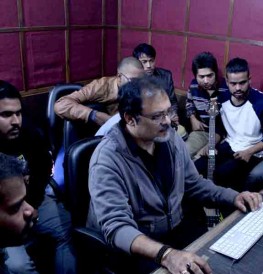
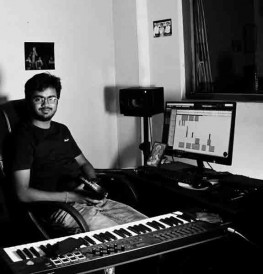
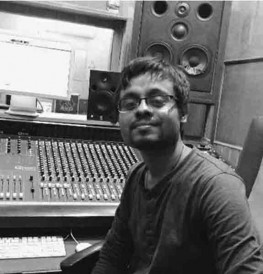
9. Class Timings. Our motto is to ‘Learn by Doing’. Classes take place in one shift from 10:30 am to 1:00 pm with a 30 minutes tea break. We have a sound studio in which we conduct daily practical work of 3 hours from 2.00 to 5.00 pm which are directed by students post-production on short films by 2nd semester's students. Fresh students learn by assisting them in their 1st semester.
10. Course Duration: Sound Recording and Audio Engineering is a one year program and CRAFT is consider as best among colleges offering audio engineering courses. The first semester of 6-month is classroom training along with practicals in Studio. In the 2nd semester of 6-months, students record the location sound and Studio effects for the Direction student's projects like Dialogue exercise, Public Service Ad film, and Fiction Film project. ‘Electronic Music Producing’ is part of "Sound Recording and Audio Engineering" as a specialization in the 2nd Semester.
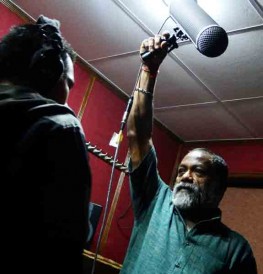
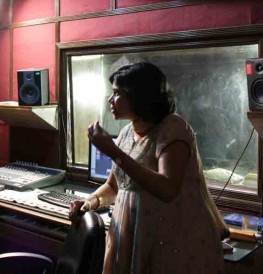
During the first semester, students are taught dubbing, mixing location, sound recording & how to record various sound effects, track laying, etc as part of various sound engineering courses. We have a professional sound recording studio where Main software is taught like - Pro Tools, Cubase, Nuendo .Students learn all thse softwares during audio production.
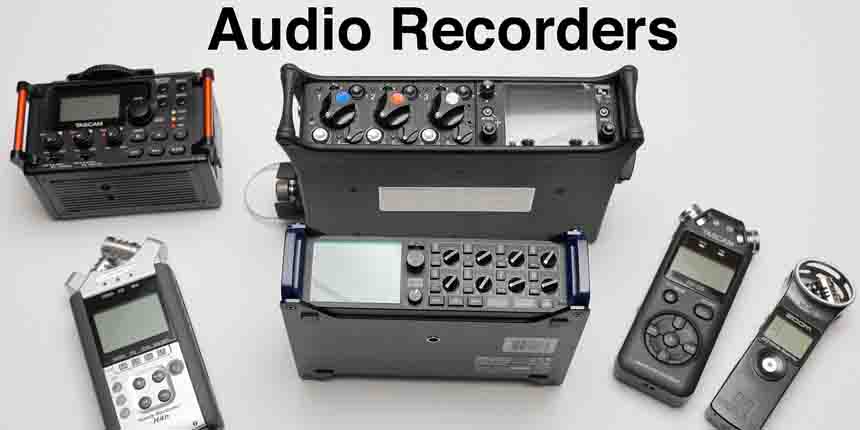
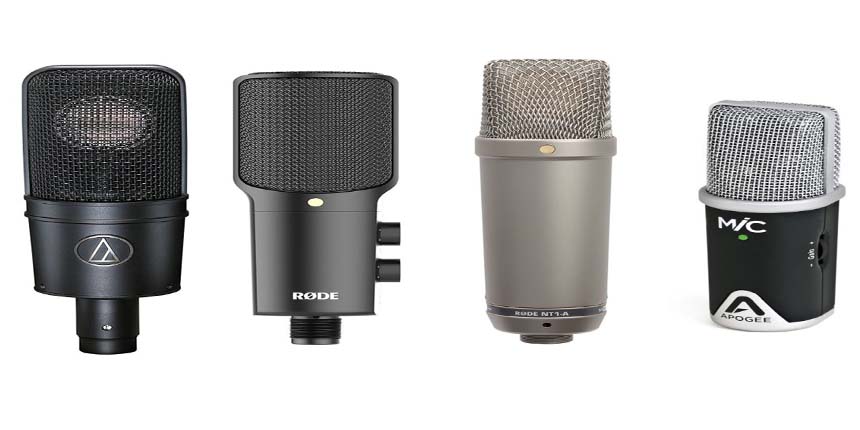
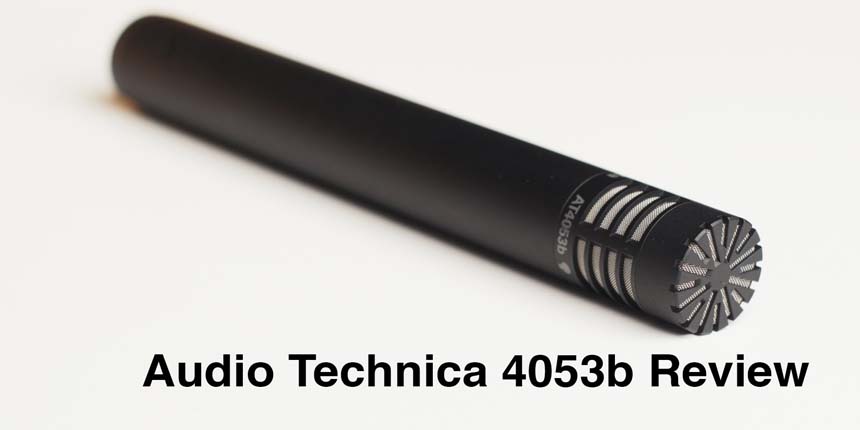
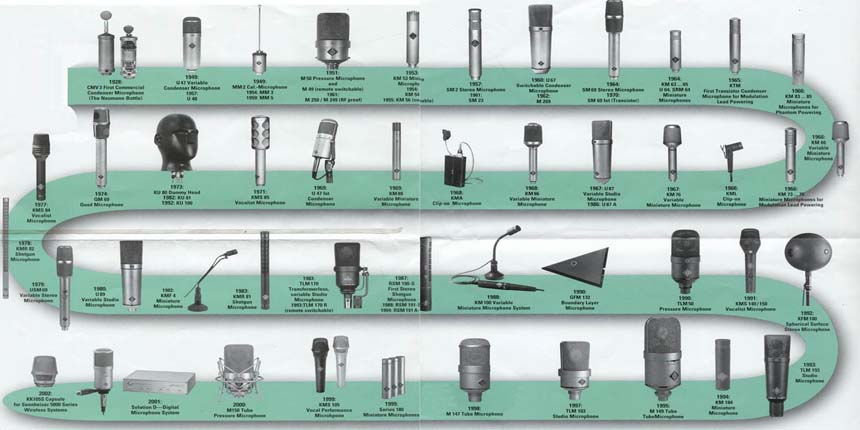
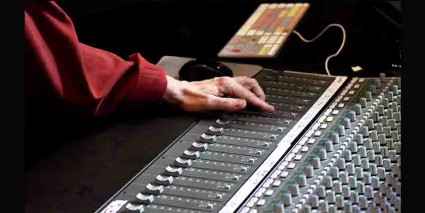
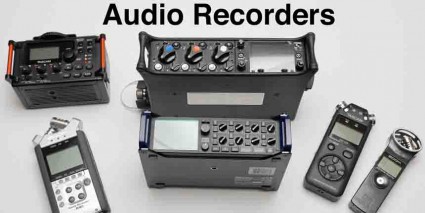
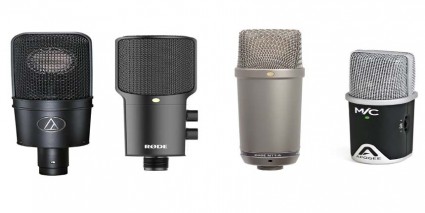
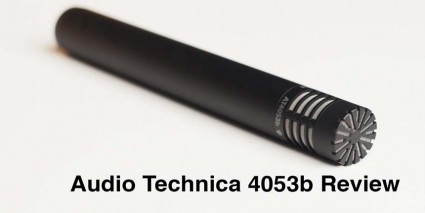
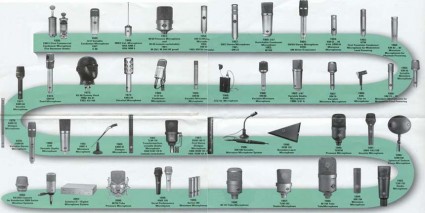
The list of equipment is given in the attachment.
11. Workshop by Bombay based Sound Designers in CRAFT:
Subash sahoo: National Award and film fare award winner sound designer workshop promo.
https://www.youtube.com/watch?v=57dl-_pbngY
Baylon Fonseca: FilmFare Award Winner ,Sound Designer & Workshop Promo.
https://www.youtube.com/watch?v=MnWsYEG7TUw
Bishwadeep Chatterjee: FilmFare Award Winner ,Sound Designer & Workshop Promo.
https://www.youtube.com/watch?v=JjvDCqkGW1k
Namita Naiyak: FilmFare Award Winner ,Sound Designer
https://www.youtube.com/watch?v=xuzqO06jcI4
12. CRAFT’s Legal Status & Affiliation: CRAFT is registered as a nonprofit-making public charitable trust with Sub-Registrar in the Delhi government. We offer autonomous Diploma courses and are awarded as one of the best sound engineering colleges. Proudly established in the year 2006 (March 6) and w eare is our 16th year of operation.
13. Bank Loan Provision: We do not have tie-ups with any banks, but if you apply for a Student loan. We can issue a letter required from our end.
14. Placement Support: Students having 85% attendance in the 1st semester of 6 months will get internship support after completion of their 1-year course with any post-production house or freelance Sound Recordist.
15: Management Quota Seats:-There are 3 management quota seats available in each course in which one can seek direct admission without an interview. One has to pay an additional Rs 20,000/-(Rupees twenty thousand) for blocking the seat besides the regular fee.
Apply Now !
https://www.craftfilmschool.
In meticulously compiled a list recognizing who are the "Top 4 Film Schools". CRAFT Film School for being featured as #1 on their list!
click here to read more about it
.jpg)

sound recording & audio engineering
After the completion of course, the students having 85% attendance in the 1st semester of 6 months, will get internship support with any post-production house or freelance Sound Recordist. If they perform well during the internship period, they are placed/ permanent job in the same production house.
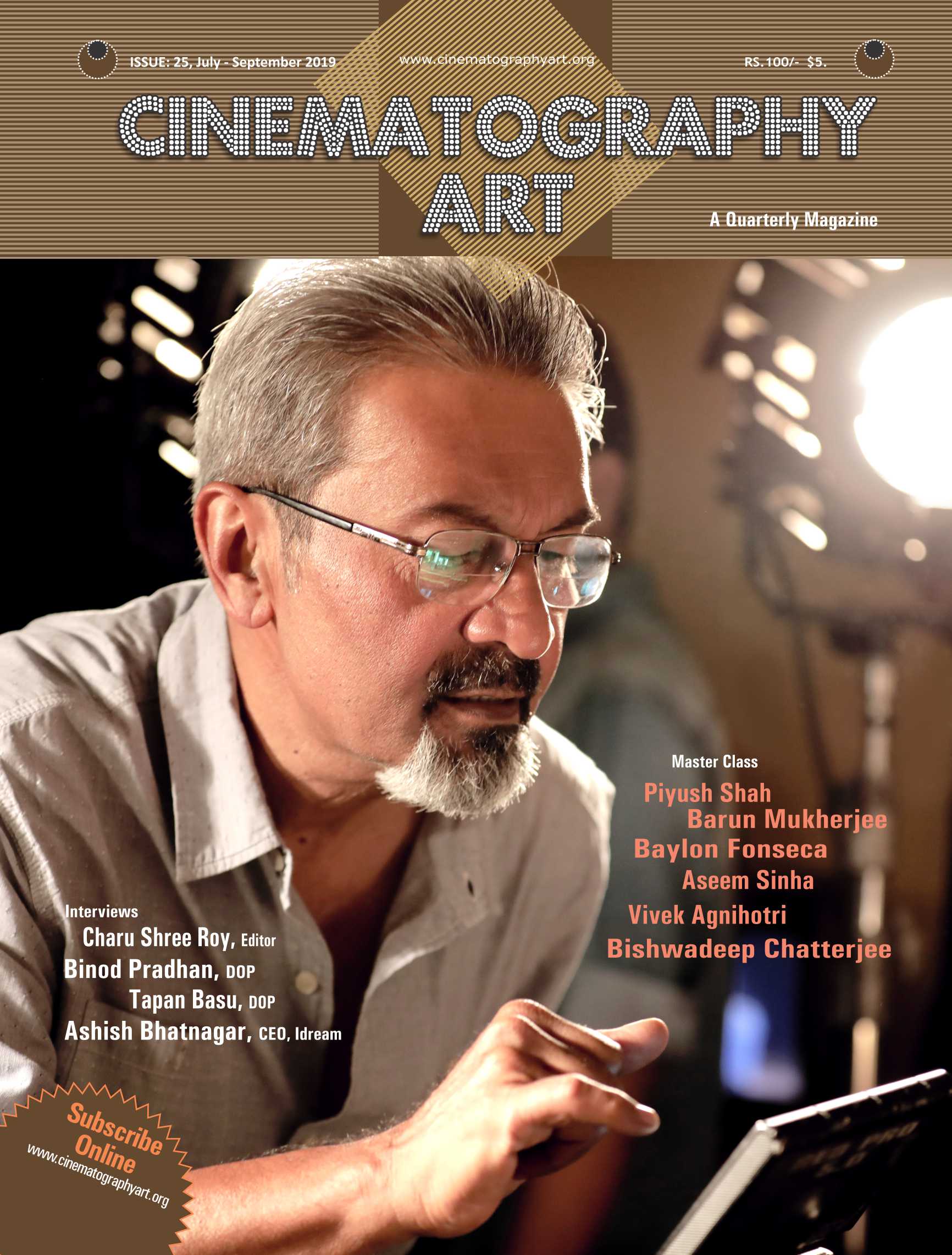
Biswadeep Chatterjee on Sound design
/userfiles/files/01_Bishwadeep%20Chatterjee_Madras_cafe.pdf
/userfiles/files/02_Bishwadeep%20Chatterjee%20Interview_on%20-uri_film.pdf
/userfiles/files/03_Bishwadeep%20Chatterjee-sanjay-leela-bhansali.pdf
Audio engineering is the process of recording, mixing, editing, and producing sound for music, films, television, and digital media. Audio engineers work with recording equipment and software to create high-quality sound.
Sound engineering involves capturing, mixing, and enhancing sound during music production, film production, and live events. It combines technical knowledge with creative audio design.
Audio production refers to the complete process of recording, editing, mixing, and mastering sound. It is used in music, podcasts, film soundtracks, and radio broadcasting.
The basics include understanding microphones, recording techniques, mixing consoles, digital audio workstations (DAWs), and sound editing. Learning these fundamentals helps beginners start a career in audio production.
Audio engineering courses teach recording techniques, sound editing, mixing, and music production. These programs train students to use professional audio equipment and software.
An audio engineering diploma is a short-term program that focuses on practical training in recording, mixing, and sound production. It prepares students for entry-level jobs in studios and media production.
A degree in audio engineering is an academic program covering sound technology, music production, acoustics, and recording techniques. It usually takes three to four years to complete.
Audio production courses teach students how to create professional audio content. The curriculum includes recording techniques, mixing, mastering, and sound design.
A short course in sound engineering focuses on essential skills such as recording, editing, and mixing audio. These courses are ideal for beginners who want quick practical training.
Audio engineering education teaches students about sound technology, recording equipment, digital audio software, and music production. It combines theory with practical studio experience.
Audio production degrees focus on recording, sound design, and music production techniques. Students also learn studio management and post-production processes.
A master's degree in audio engineering offers advanced training in sound design, acoustics, and professional audio production. It is suitable for students who want specialized careers in audio technology.
Audio recording education teaches students how to capture high-quality sound in studios and live environments. Students learn microphone placement, mixing techniques, and audio editing.
Audio engineering schools provide professional training in sound recording, mixing, and music production. They offer diploma, certificate, or degree programs in audio technology.
The best sound engineering schools provide modern recording studios, experienced faculty, and practical training. Students learn through hands-on projects and studio sessions.
Audio production colleges offer courses focused on music production, sound recording, and audio editing. They prepare students for careers in studios, media companies, and entertainment industries.
Sound engineering colleges in India offer diploma and degree programs in sound recording, mixing, and audio production. These institutes train students for careers in music, film, and broadcasting.
Audio engineer training involves learning how to operate recording equipment, mixing consoles, and audio editing software. Training programs include practical studio sessions.
Sound technician training focuses on operating sound systems for concerts, studios, and broadcasting. Students learn sound setup, troubleshooting, and audio mixing techniques.
Recording engineer training teaches microphone placement, sound capture, mixing techniques, and mastering audio tracks. It prepares students for work in professional recording studios.
Online audio engineering courses teach sound recording and mixing techniques through digital learning platforms. Students can study audio production from anywhere.
Yes, sound engineering can be learned online through video tutorials and professional courses. These programs cover recording techniques, mixing, and audio software.
Online sound engineering courses provide flexible training in music production, sound design, and digital audio editing. They are suitable for beginners and professionals.
Pro Tools training teaches students how to use one of the most popular digital audio workstations used in professional studios. It covers recording, editing, and mixing audio tracks.
Ableton courses teach music production and sound design using Ableton Live software. These courses are popular among electronic music producers and DJs.
Audio engineering equipment includes microphones, mixers, audio interfaces, studio monitors, and digital audio workstations. These tools help engineers record and produce high-quality sound.
An audio engineer career involves recording, mixing, and producing sound for music, films, television, and live events. Professionals work in studios, production houses, and broadcasting companies.
Audio engineering careers include roles such as recording engineer, sound designer, music producer, and live sound engineer. These professionals work in the entertainment and media industry.
Sound engineers manage sound recording and mixing for music concerts, film production, and broadcasting. They ensure audio quality during production and live performances.
Jobs include music producer, recording engineer, mixing engineer, sound designer, and audio editor. Many professionals also work in radio, film, and digital media production.
Live sound engineering involves managing sound systems for concerts, events, and performances. Engineers ensure clear sound quality during live shows.
These courses teach sound system setup, microphone placement, mixing techniques, and troubleshooting during live events.
Audio recording is the process of capturing sound using microphones and recording equipment. It is used in music production, podcasts, films, and broadcasting.
Audio recording courses teach microphone techniques, studio recording methods, and sound editing. Students learn how to capture professional-quality sound.
Audio recording schools specialize in training students in studio recording, sound editing, and music production.
Sound engineering programs provide training in recording, mixing, sound design, and audio production. These programs prepare students for professional audio careers.
A sound engineering diploma is a practical course that teaches studio recording, sound editing, and music production skills.
A sound engineering degree provides in-depth knowledge of sound technology, acoustics, and audio production techniques.
Post production training teaches editing, mixing, and mastering sound after recording. It is widely used in film, music, and television production.
Sound design courses teach students how to create sound effects, audio environments, and soundtracks for films, games, and multimedia projects.
Beginners can start by learning basic recording techniques, audio software, and sound editing. Taking courses and practicing in a studio helps build experience.
You can learn sound engineering through diploma courses, audio engineering schools, or online training programs.
Learning audio production involves studying recording techniques, music production software, and sound mixing. Practical projects help develop professional skills.
Audio engineering is a creative and technical career with opportunities in music production, film sound, radio broadcasting, and live events.
Most sound engineers complete audio engineering courses, diplomas, or degrees. Practical experience in studios is also important.
Important skills include technical knowledge of recording equipment, creativity, problem-solving, and attention to sound quality.
Short courses may take a few months, while diploma or degree programs can take one to four years.
Sound recording programs train students in studio recording, sound editing, mixing, and mastering techniques.
An audio engineer degree focuses on sound recording technology, music production, and audio system design.
You can start by enrolling in an audio engineering course, learning recording software, and gaining hands-on experience in studios or live events.
A recording arts school teaches music production, recording, and mixing. Students work in studios to gain real-world experience.
Recording engineer training focuses on capturing and editing sound professionally. Students learn microphone techniques and mixing methods.
The SAE Institute Chennai provides courses in audio engineering and music production with hands-on studio learning.
The SAE Institute Mumbai offers professional audio engineering courses and creative media training.
Delhi has several institutes offering sound engineering programs. These courses include recording, mixing, and sound design training.
Top sound engineering schools provide advanced studios and experienced mentors. They focus on practical learning and industry exposure.
An audio engineer university offers degree programs in sound engineering and music production. Students study both theory and practical audio techniques.
An audio recording class teaches the basics of capturing sound using microphones and recording software.
Audio recording education focuses on studio recording, editing, and mixing techniques. It prepares students for professional audio careers.
Audio recording training helps students learn how to record high-quality sound. It includes practical studio sessions and software practice.
The best audio engineering school offers modern recording studios and experienced instructors. Students gain hands-on learning in real production environments.
Recording colleges specialize in music production and audio engineering education. They provide training in recording, mixing, and mastering.
A sound design school teaches students to create sound effects and audio for films, games, and media.
Sound engineer education includes courses in recording, mixing, and audio technology. Students learn both technical and creative sound skills.
India has many institutes offering sound engineering programs. These schools provide studio training and music production courses.
A sound recording school trains students to capture and edit audio professionally. Courses include microphone techniques and digital editing.
Sound technician training prepares students to set up and maintain sound systems. It is useful for concerts, events, and broadcasting.
Ableton courses teach music production using Ableton Live. Students learn beat making, mixing, and live performance techniques.
An audio production college offers diploma or degree programs in sound recording and music production.
An institute of audio recording provides professional training in studio recording and sound editing.
You can learn audio engineering through courses, online tutorials, and studio practice. Learning recording software is essential.
Sound engineering can be learned through diploma programs and hands-on studio training. Practice and creativity are key skills.
A master’s degree focuses on advanced audio production, acoustics, and sound design. It prepares students for senior roles in audio production.
Post production training teaches editing and mixing audio after recording. It is commonly used in film and television production.
Sound engineering programs teach recording, mixing, mastering, and live sound techniques.
Sound system engineering focuses on designing and managing professional audio systems for venues and events.
Audio engineer education includes courses in recording technology, mixing, and sound design.
Audio engineering programs teach technical and creative skills needed to work in the audio industry.
Audio production schools offer training in recording, editing, and music production.
Online courses allow students to learn recording and production remotely using digital tools.
These courses teach sound recording, mixing, and audio editing through online platforms.
Post production courses focus on editing, mixing, and mastering recorded audio.
A diploma in sound engineering is a short professional program that teaches recording and mixing techniques.
A sound engineer program provides training in audio technology, recording, and sound editing.
Sound production courses teach how to create and produce audio for music, films, and media.
Studying sound engineering involves learning recording, editing, and mixing audio.
Audio engineer colleges provide diploma and degree programs in audio engineering.
This field combines technical recording skills with music production and sound design.
Audio technology schools teach the technical aspects of recording equipment and digital audio software.
Basics include understanding microphones, acoustics, recording techniques, and mixing.
These colleges teach music composition, recording, and audio production.
A master’s program focuses on advanced audio technology and sound design.
A recording engineer school trains students to record and mix music professionally.
These schools provide education in studio recording and audio editing.
Sound engineer colleges offer professional training in recording, mixing, and sound technology.
Hyderabad has institutes offering audio engineering and music production courses.
These courses teach recording and mixing techniques for music and film production.
University courses in sound engineering provide degrees in audio production and recording.
A sound production course teaches how to record, edit, and mix audio professionally.
Top schools offer advanced recording studios, industry-experienced instructors, and practical training for audio careers.
 Seats : 5
  Duration: 1 year
  Intreview : Every Week
 Helpline: 9910161695